The Sherman Paradox
A $50 Million Renovation and the Battle for Accountability
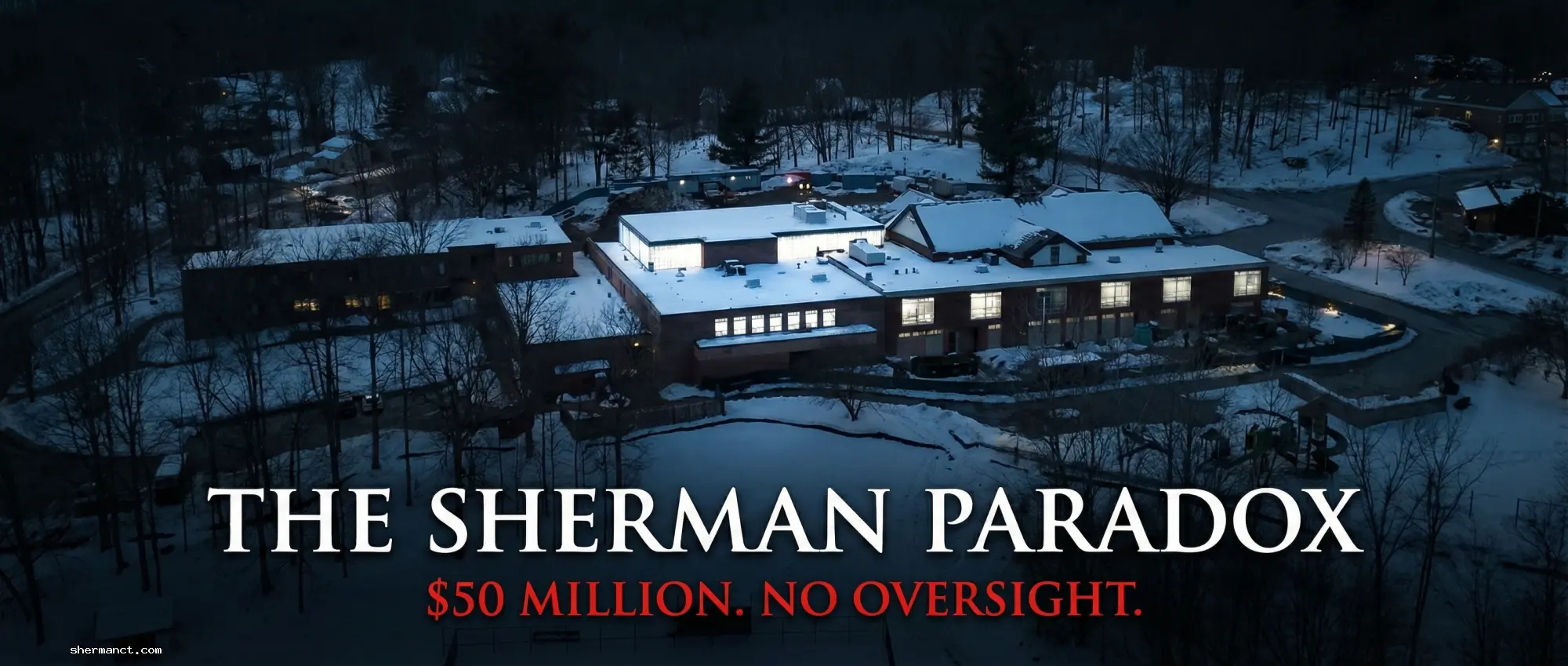
Sherman prides itself on what it isn't: sprawled, noisy, or lit up like the suburban strip malls of neighboring Danbury. The town’s identity relies on ink-black skies and strict zoning regulations designed to keep it that way.
For decades, the Planning and Zoning Commission has rigidly enforced this vision. Residents accept the deal: strict rules protect property values and rural charm. But the $50 million Sherman School renovation is testing that compact.
What started as a necessary infrastructure update has turned into a standoff. Residents are demanding basic safety and zoning compliance, while the administration operates as if it is exempt from its own rules. With the project’s price tag exceeding $50 million and weather barriers failing in the dead of winter, the question in Sherman is no longer just about a school. It is about whether the local government is subject to the same laws as its citizens.
The "White Lantern" Anomaly
The conflict on Sawmill Road began with a light. During the renovation, the exterior walls of the school gymnasium were replaced with translucent plastic sheeting to seal the construction zone. Inside, 5000K industrial floodlights illuminate the workspace.
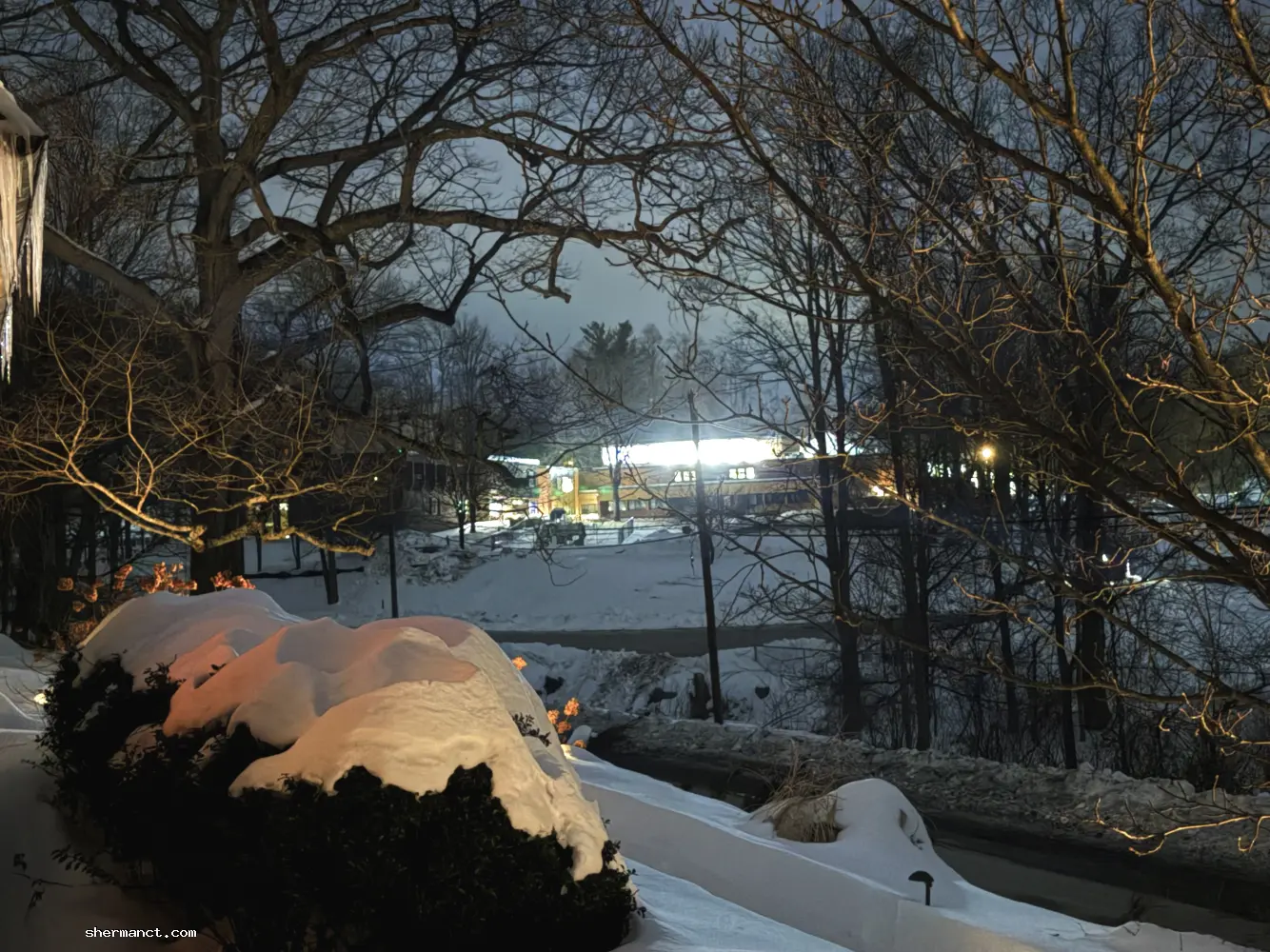
The plastic sheeting diffuses the light, turning the structure into a glowing box. Neighbors call it the "White Lantern"—a beacon bright enough to cast shadows in backyards and penetrate bedroom windows all night.
If a private homeowner did this, they would be cited immediately for violating Sherman’s "Light Trespass" and "Direct Glare" zoning codes. But when residents asked the administration to address the glare, they hit a wall.
Town officials cited OSHA and insurance requirements for the 24-hour lighting, blurring the line between internal safety illumination and external light trespass.
"Compliance is not multiple-choice," notes one resident involved in the dispute. "You don't get to follow OSHA rules but ignore Sherman Zoning laws just because it’s convenient."
The neighbors proposed a simple, low-cost fix: hang opaque blackout tarps inside the plastic. The site stays bright for OSHA, and the light stops bleeding into the neighborhood. The administration refused. The "White Lantern" still burns through the night.
The Traffic Liability Trap
To manage pick-up and drop-off logistics during construction, the School District unilaterally diverted the traffic queue off school grounds and onto Sawmill Road.
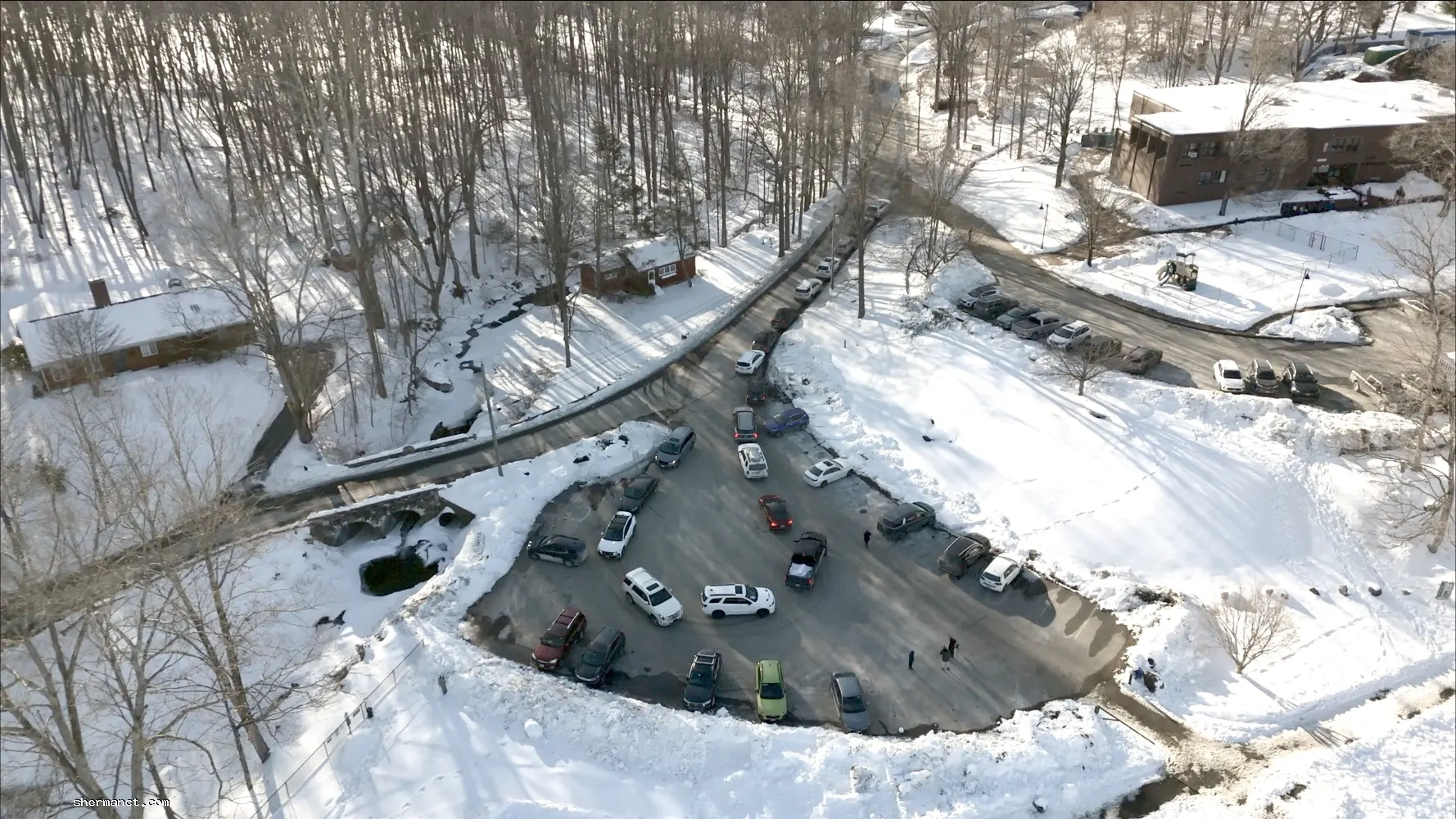
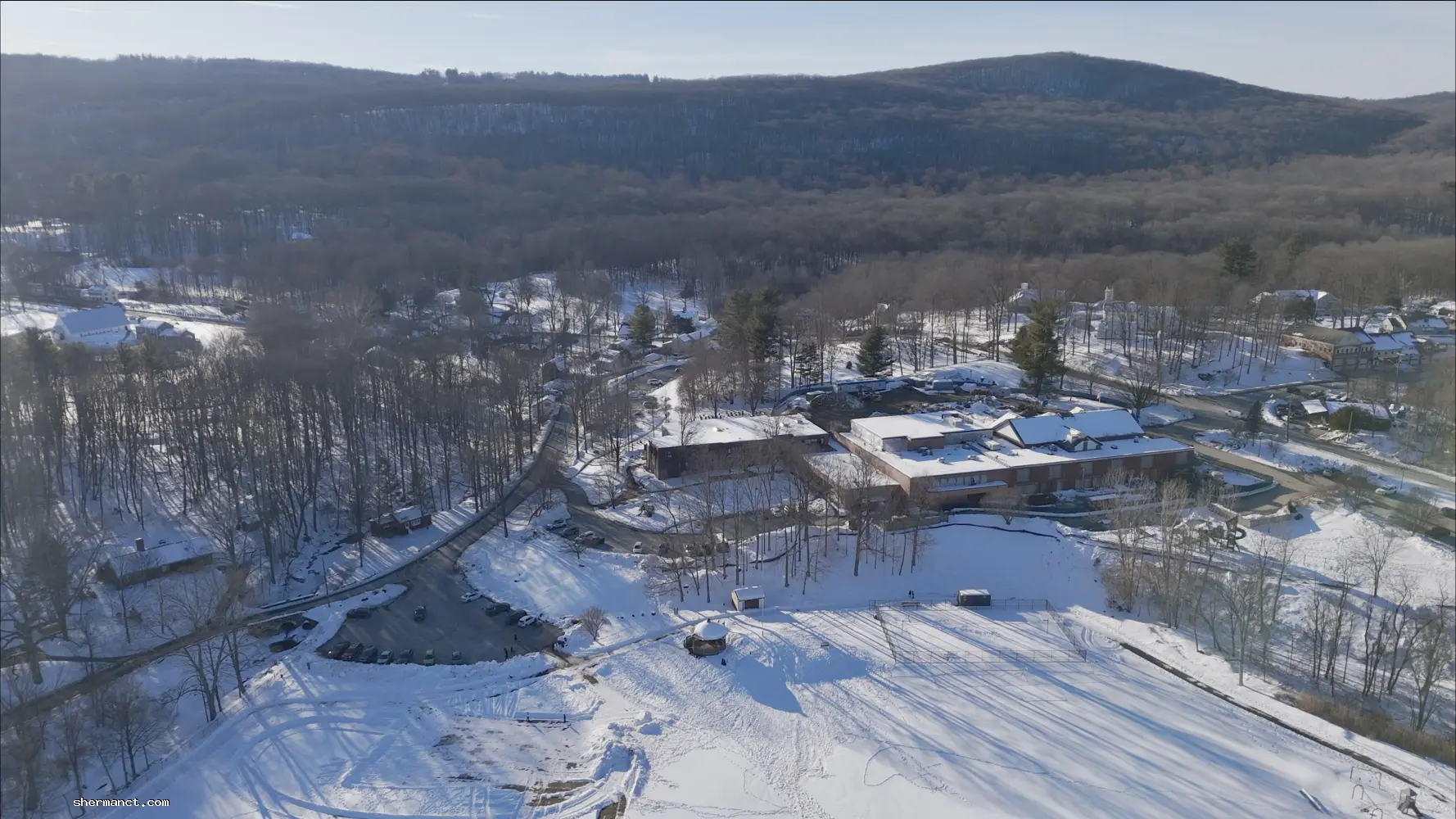
During dismissal, this public right-of-way—and the sole egress for the neighborhood—is blockaded by idling vehicles. It creates a trap: if a fire breaks out or a resident needs an ambulance during these windows, emergency apparatus face a wall of cars.
The Office of the State Traffic Administration (OSTA) recently confirmed the Sherman School does not meet the threshold to be regulated as a "Major Traffic Generator." The administration might see this lack of state oversight as a win, but legal experts warn it is a massive liability trap.
Because the state declined jurisdiction, the Town of Sherman assumes 100% of the liability for the traffic pattern. By commandeering a public road without a state permit or safety study, the town dropped its regulatory shield. If an accident occurs, or if an ambulance is delayed, the town cannot claim it was following a state-approved plan. The negligence—and the resulting lawsuit—belongs entirely to the taxpayers.
A Question of Asset Protection
In February 2026, temperatures dropped to 2°F with 50 mph wind gusts. Residents documented failures in the site’s weather containment.
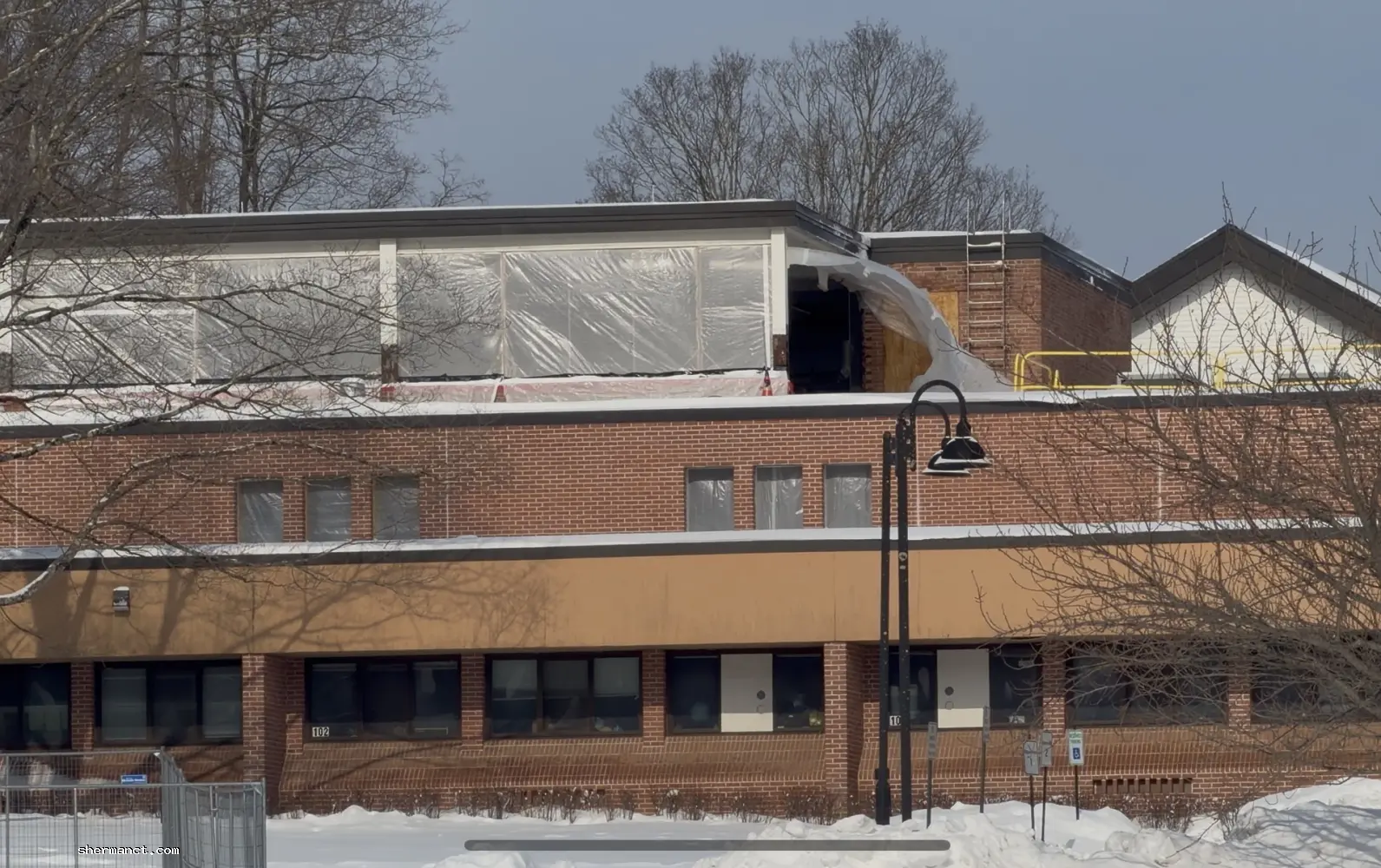
Photographs showed the plastic sheeting on the gymnasium ripping away from the frame, exposing the interior of the $50 million site to the freezing elements. For a project already operating on a tight budget, frozen pipes or water damage represent a severe financial risk.
Neighbors argue their requests for sturdier, opaque tarps were never just about the light—they were warnings about asset protection. Refusing to properly secure the site leaves the building vulnerable to the exact kind of damage that triggers expensive change orders and insurance claims.
The "Tax Threat" and the Glass House
When residents raised concerns about lighting, traffic, and site security, town officials responded with veiled warnings. The message was clear: Stop complaining. Residents were told that further reports would delay the project and "raise taxes." The administration was preemptively blaming cost overruns on vigilant neighbors rather than its own oversight.
This tactic rings hollow when checked against the town’s ledger.
The Financial Context: A Reality Check
The Budget Overrun: In August, the administration held a referendum to ask taxpayers for an additional $2.5 million because the original budget for the school project was insufficient. The cost overruns were a reality long before neighbors asked for tarps.
The Executive Compensation: While warning residents about potential tax hikes over minor compliance costs, the First Selectman’s compensation has soared. Since taking office in 2018, his salary has increased by approximately 55%, jumping from $53,568 to a proposed $83,202 for the 2025-26 fiscal year.
The Historical Context: The "fiscal responsibility" lecture is further complicated by public records reported by The News-Times and confirmed by U.S. Bankruptcy Court filings (Case No. 17-51204). First Selectman Lowe filed for Chapter 7 liquidation on September 29, 2017, just months before taking office.
The "Private Matter" Defense: When the bankruptcy filing surfaced, Lowe dismissed it to the press: “It’s just a personal matter between my wife and I... Personal attacks have been a standard tool of the Sherman Republican Town Committee and I’m certainly not going to roll over.”
Bankruptcy proceedings are public record not for gossip, but for transparency. They alert creditors and voters to a pattern of financial instability.
When an official asks taxpayers to trust them with a $50 million renovation and a $2.5 million emergency referendum, a history of insolvency is not a partisan attack. It is a professional data point. It raises a legitimate question: If the First Selectman views his own insolvency as merely a "personal matter," does he view the town’s current budget overrun as merely a "political" one?
The data paints a clear picture: An administration that oversaw massive salary increases for itself and a multi-million dollar budget overrun for its project is now threatening residents with "tax hikes" for requesting a $500 tarp to prevent water damage.
The Cost of Silence
The residents of Sawmill Road are not anti-renovation. They voted for the budget. They pay the taxes.
Their demand is basic competence.
Competence means securing a site so the weather barriers don't rip off in winter. It means installing a light barrier to respect the zoning laws enforced on everyone else. It means managing traffic so an ambulance isn't blocked. And it means accepting community feedback without threatening tax hikes.
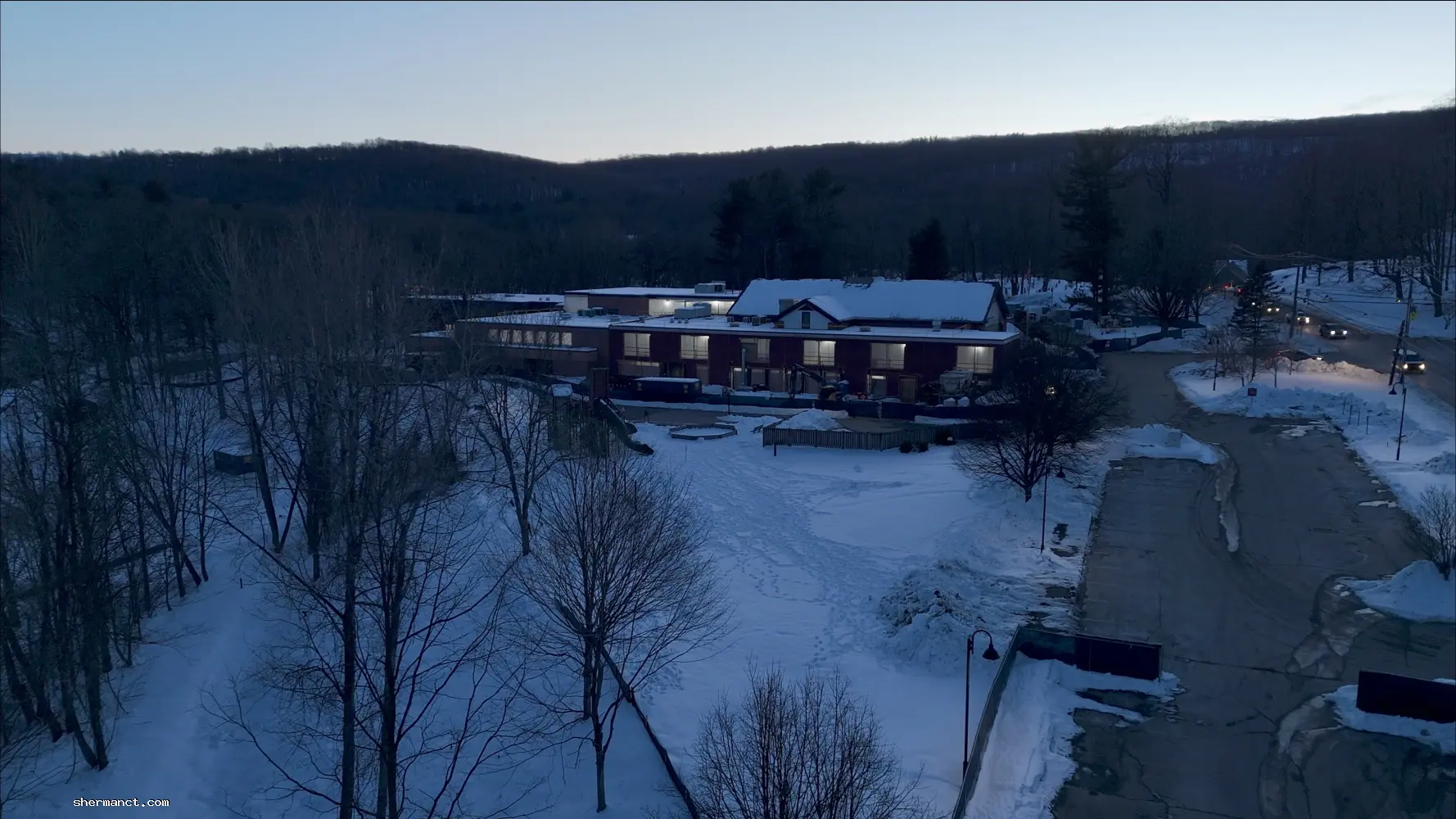
As the "White Lantern" continues to glow, it highlights a choice for the town. Sherman can enforce its rules equally, or it can operate a government that considers itself above the law, expecting citizens to pay the bill and stay quiet.
The residents are watching. And they are done staying quiet.
Update: Administration Response
Feb 9, 2026 at 5:00 PM EST
Prior to publication, Sherman CT News submitted a formal media inquiry to the First Selectman and the Board of Selectmen regarding the issues detailed in this report. Specifically, we requested comment on:
- The failure of site containment measures during the Feb 7th severe weather event.
- The Administration's stance on the implied assertion that resident safety reports contribute to tax increases.
The Administration was provided a deadline of 5:00 PM today to provide a statement or correction. As of publication time, the Town of Sherman has declined to comment or address these inquiries.
Sherman News remains open to publishing any official response from the Town regarding these matters.
Support Independent Journalism
Investigative journalism and detailed municipal reporting require an immense amount of time and resources. From the initial background research and public records requests to the painstaking data illustration and editing, producing these articles is a full-time commitment. If you value this level of independent reporting, please consider supporting the effort. Whether it's a few bucks or a generous contribution, every donation helps keep this project running.