The Invisible Invasion
As Sherman Warms, the Black-Legged Tick Emerges, Carrying a Terrifying Cocktail of Co-Infections
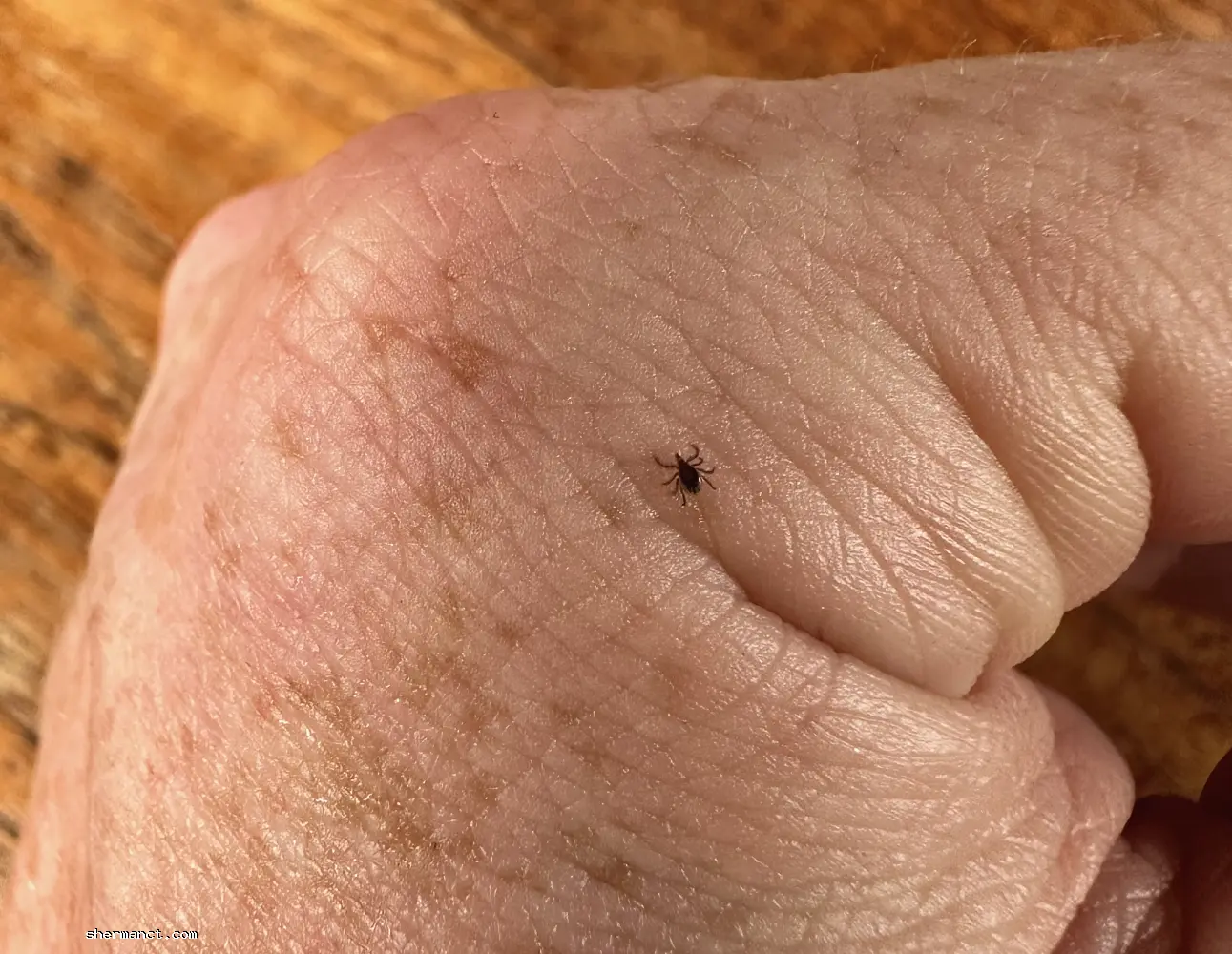
There is a quiet, insidious awakening happening in the woods of Sherman right now. As the bitter nights dipping into the twenties give way to overcast days reaching the mid-fifties, the dormant forest floor is coming back to life. But along with the swelling buds and the promise of spring comes a microscopic apex predator, waiting patiently on the tips of tall grasses and low brush. The black-legged tick is officially "questing."
In Sherman, Lyme disease is practically a rite of passage. It is difficult to find a resident who hasn't either battled the infection themselves or nursed a family member through the grueling fatigue and joint pain it leaves in its wake. We live in the epicenter of tick country. Yet, familiarity breeds a dangerous complacency. We brush them off our pant legs, pluck them from our dogs, and occasionally spot one crawling across the living room floor, prompting the chilling realization: How did that get in here?
They get in on us. They hitchhike on our boots, our pets, and our children. They can move with surprising speed when seeking warmth, or they can remain perfectly hidden in the fold of a sock. If they are hungry, they don't dawdle; a tick can latch onto a host and begin feeding within five short minutes.
But the true danger of the modern tick is no longer just Lyme disease. It is what else they are carrying with them.
The Pathogen Cocktail
If you venture into the science of what is currently circulating in our local tick population, the landscape looks far more menacing than it did a decade ago. A sweeping, multi-year study recently conducted by researchers in the Northeast, analyzing over 1,500 black-legged ticks collected from wooded environments, has revealed a terrifying new baseline: the era of the single-disease tick is largely over.
The research, spearheaded by a team investigating tick-borne diseases in regions nearly identical to Sherman's topography, analyzed ticks collected between 2016 and 2022. They tested these specimens for six distinct pathogens. The findings are a stark warning for anyone living in the rural Northeast.
An astonishing 70.5 percent of the ticks carrying a pathogen were co-infected with the bacteria that causes Lyme disease (Borrelia burgdorferi) and the parasite that causes babesiosis (Babesia microti).
Let that sink in. Nearly three-quarters of the infected ticks in our broader regional ecosystem are carrying a dual-threat payload. This is a medical nightmare for local physicians. When a patient presents with a tick bite, the standard protocol is an aggressive course of antibiotics to nuke the Lyme bacteria. But antibiotics do absolutely nothing to treat babesiosis, which is a malaria-like parasitic infection that attacks red blood cells and requires a completely different class of antimalarial drugs.
"A co-infection is a compounding threat," the researchers noted. If a patient is treated only for Lyme, the babesiosis can go unchecked, leading to prolonged, severe illness, especially in older adults or those with compromised immune systems.
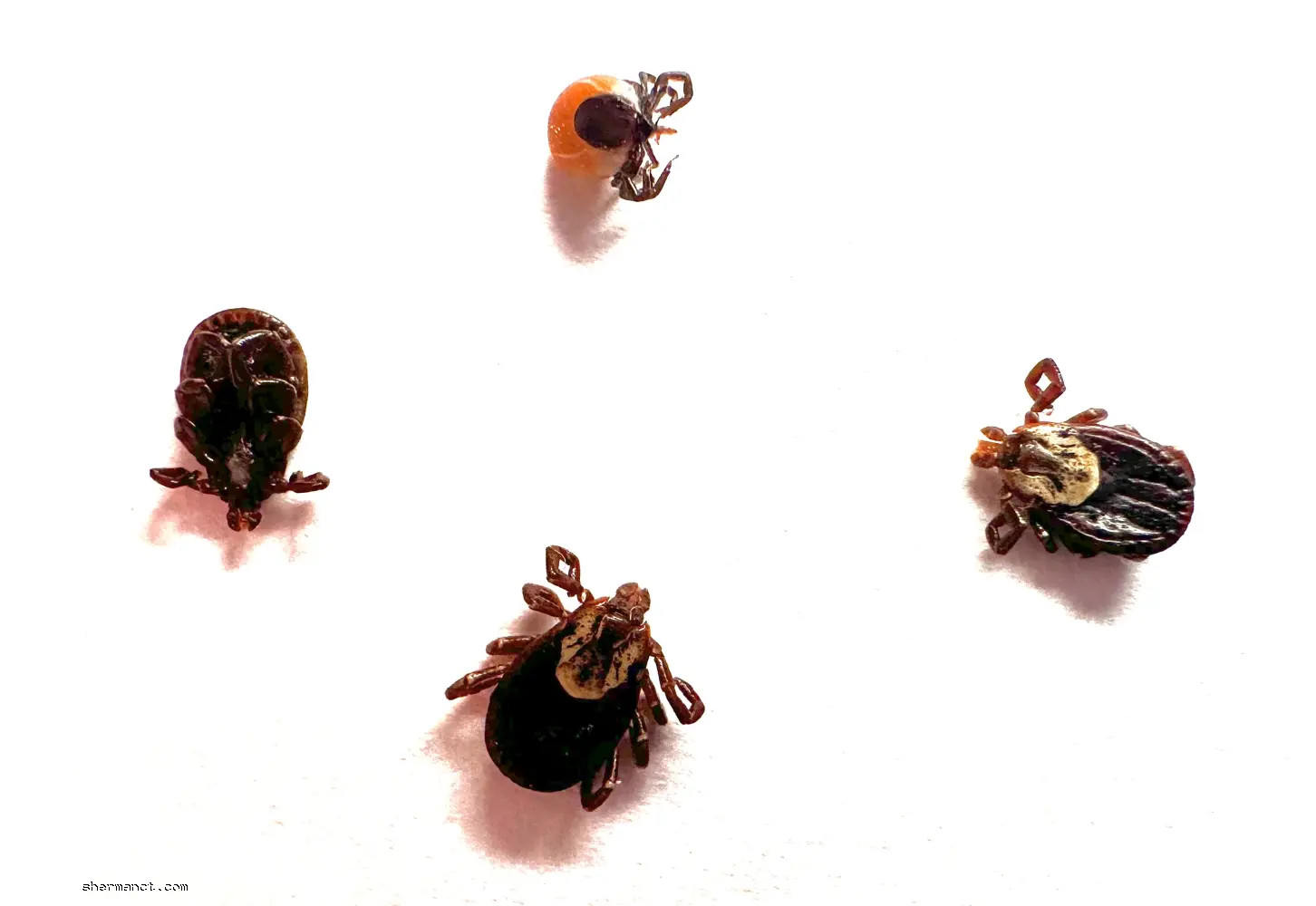
By the Numbers: What is in the Woods?
The study broke down the prevalence of specific pathogens within the adult tick population, painting a grim picture of the statistical odds every time we step off the pavement in Sherman:
- Lyme Disease (Borrelia burgdorferi): Detected in roughly 76 percent of adult ticks and 53 percent of nymphs. It remains the undisputed king of tick-borne illnesses.
- Babesiosis (Babesia microti): The parasitic infection was found in roughly 60 percent of the ticks, cementing its status as a massive co-infection risk.
- Anaplasmosis (Anaplasma phagocytophilum): A bacterial infection causing fever and muscle aches, found in over 14 percent of ticks.
- Borrelia miyamotoi: A distant relative of Lyme that causes relapsing fever, detected in nearly 8 percent of the population.
- Powassan Virus: While rare, researchers did identify a tick carrying this severe, sometimes fatal neurological virus.
The Invisible Threat: The Nymph
While adult ticks are menacing, they are at least visible to the naked eye. The true invisible threat arriving with the spring warmth is the tick in its nymphal stage. Nymphs are disproportionately responsible for the transmission of disease to humans, not because they are more infected than adults, but because they are nearly impossible to see.
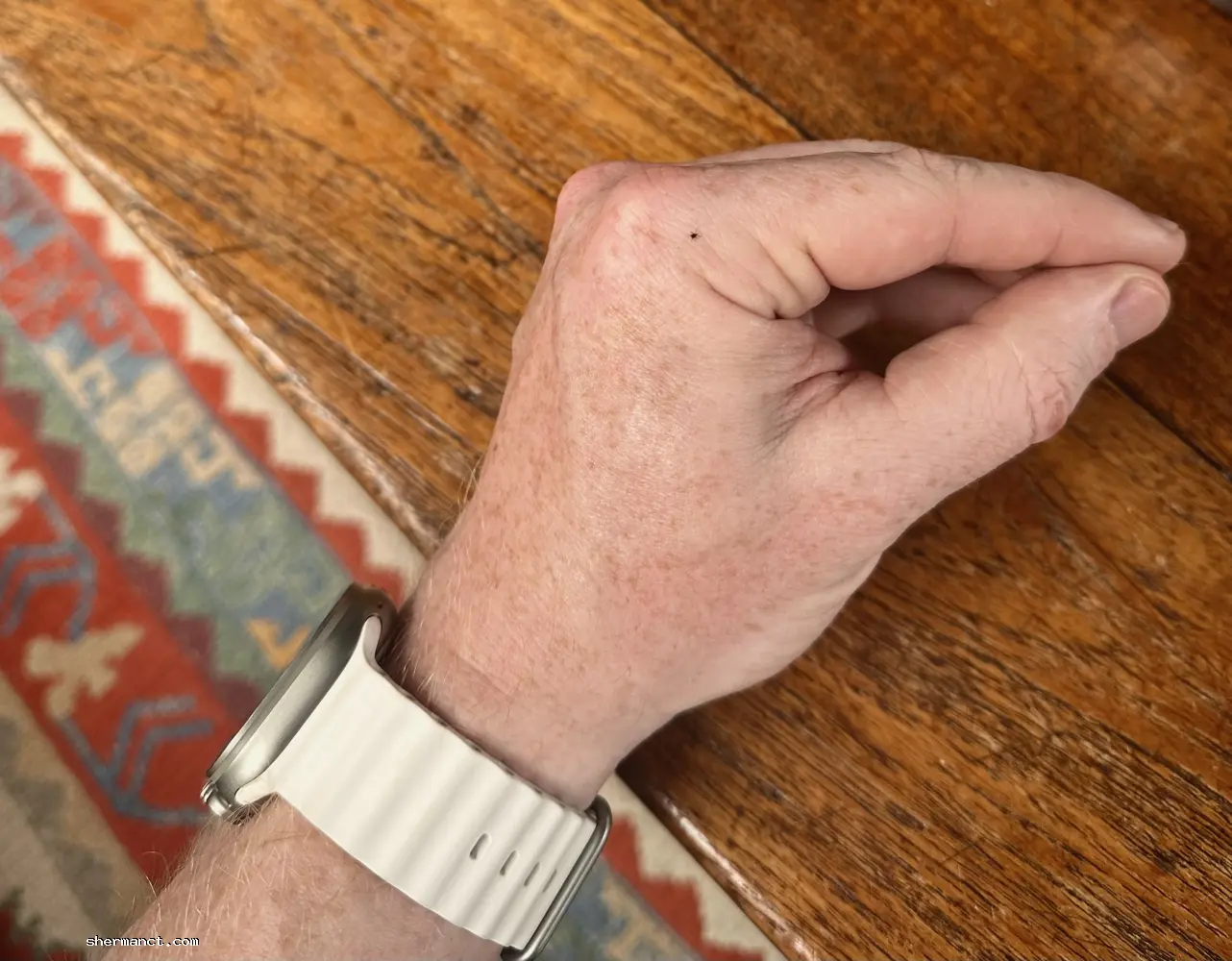
A nymph tick is roughly the size of a single poppy seed or the very tip of a sharpened pencil. Because they are so minuscule, they frequently go unnoticed during routine body checks, allowing them the 36 to 48 hours of uninterrupted feeding time required to transmit the Lyme bacteria into the bloodstream.
The Architecture of Prevention
Living in Sherman means accepting that ticks are a permanent, non-negotiable part of our daily lives. You cannot spray an entire forest, and you cannot retreat indoors for eight months of the year. The only effective defense is a relentless, almost paranoid architecture of prevention.
As the weather warms, your wardrobe must become a tactical decision. Wearing light-colored clothing is no longer a fashion choice; it is a vital safety measure. A dark-bodied tick is instantly visible against light khaki pants or a white long-sleeve shirt, giving you precious minutes to brush it away before it finds bare skin.
Furthermore, the physical "tick check" must become as routine as locking your front door. It requires diligence after every hike, every gardening session, and every walk through the tall grass at Veterans Field. We must inspect our children, meticulously comb through our dogs' fur, and remain vigilant for the slow, creeping black dot on the living room rug.
The woods of Sherman are one of our greatest municipal treasures. But as the data clearly shows, stepping into them requires an understanding of the microscopic war being waged in the underbrush. The ticks are waking up, and they are carrying a heavier, more complex payload of disease than ever before. This spring, your best defense is simply paying attention.
Support Independent Journalism
Investigative journalism and detailed municipal reporting require an immense amount of time and resources. From the initial background research and public records requests to the painstaking data illustration and editing, producing these articles is a full-time commitment. If you value this level of independent reporting, please consider supporting the effort. Whether it's a few bucks or a generous contribution, every donation helps keep this project running.