Silence on the Servers
Sherman Dropped Its Cyber Insurance. Now, Officials Are Refusing to Acknowledge Repeated Inquiries Into a Past Ransomware Attack.
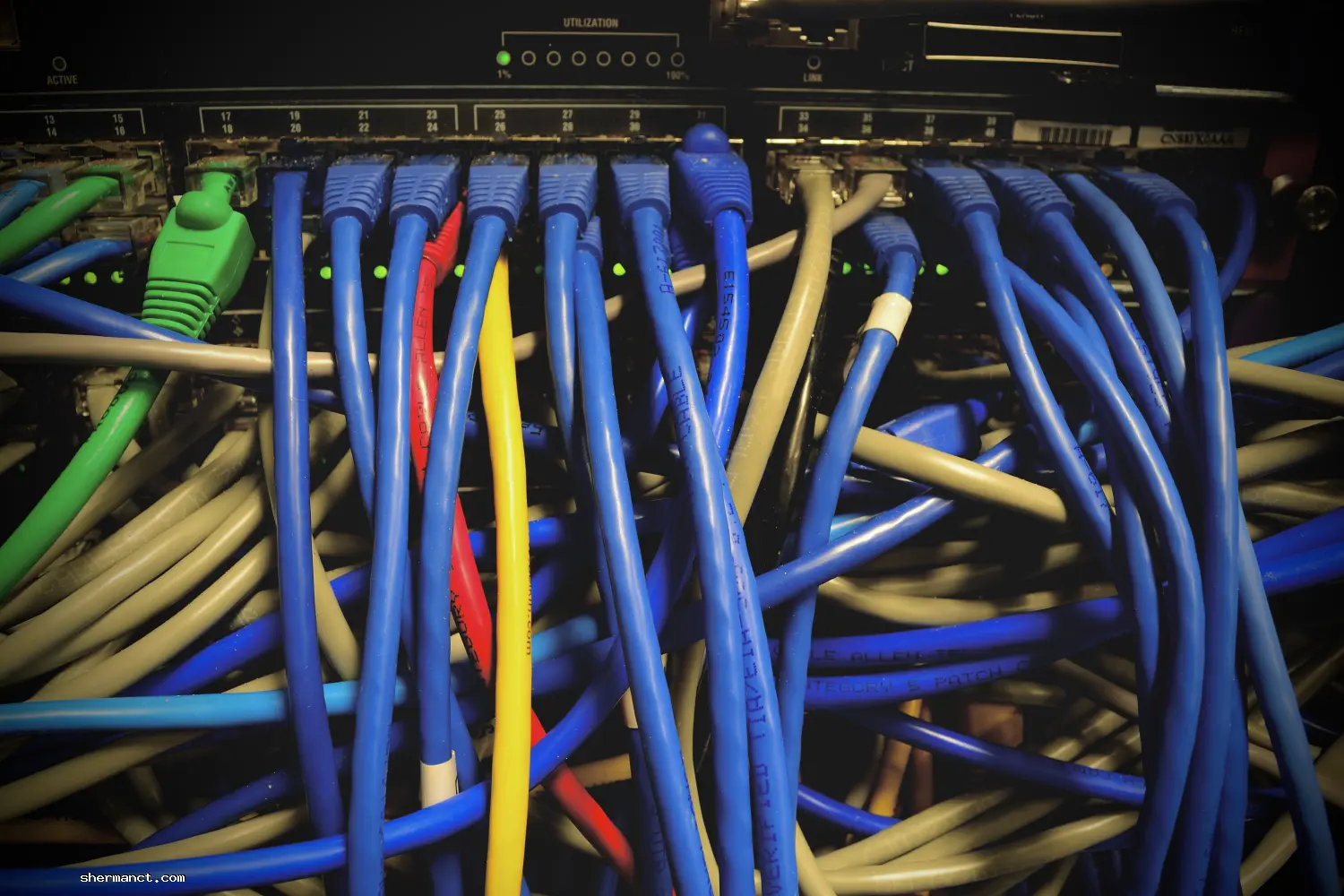
On March 26, 2026, the Sherman Board of Selectmen convened to review a standard line item in the municipal budget: cyber insurance premiums. As reported in the April 2 edition of the Town Tribune, the administration, acting on the assessment of their IT provider, deemed the coverage unnecessary. First Selectman Don Lowe and Selectman Bob Ostrosky were reportedly "comfortable with the assessment," a public declaration that the town’s digital infrastructure was secure enough to operate without a financial safety net.
Yet, this projection of digital confidence presents a striking paradox. A deeper review of municipal history reveals that the town’s current posture obscures a highly sensitive, previously unacknowledged vulnerability. The administration is actively shielding the details of a past network breach, utilizing statutory silence to deny repeated requests for public records.
The Undisclosed Breach and the Resounding Silence
During the 2019-2020 academic year, the Sherman School’s network was compromised by a significant ransomware incident. This was not a routine technological hiccup; it was a cyberattack that prompted emergency IT procurement and remediation efforts. However, details regarding the scope of the data loss, the forensic audits, and the financial toll of the recovery have been fiercely protected from public view.
In an effort to bring these details into the public record, Sherman CT News has filed numerous, formal Freedom of Information Act (FOIA) requests. On April 2, 2026, a request was submitted to the First Selectman, the Superintendent, and the Board of Education, seeking communications, vendor invoices, and police reports related to the attack. When the statutory deadline passed without a single document produced, a second formal notice was issued on June 5.
The administration’s response to these repeated inquiries has been a profound, uninterrupted silence. By allowing the requests to expire into a "constructive denial", officials force the matter into the lengthy appeals process of the state's Freedom of Information Commission. In the realm of public accountability, such an absolute refusal to even acknowledge a legal request is often more telling than the documents themselves.
A Pattern of Information Control
The handling of the town's digital history points to a broader, systemic resistance to transparency:
- The Historic Vulnerability: A major ransomware attack on the Sherman School network occurred in the 2019-2020 timeframe, yet details remain largely absent from the public dialogue.
- The Documented Silence: Multiple formal requests for records, communications, and IT audits pertaining to the breach have been met with total silence, legally registering as constructive denials.
- The Insurance Paradox: The recent, highly publicized decision to drop cyber insurance was framed as a prudent fiscal move, despite the town’s documented history of a successful cyberattack.
A Breakdown in Basic Retrieval
The administration’s "comfort" with operating without cyber insurance is difficult to reconcile with its documented struggles to manage basic digital infrastructure. The refusal to release the cyber attack records is mirrored by an inability to execute routine digital file transfers.
When Superintendent Patricia Cosentino was recently compelled to provide public financial records on a separate matter, she offered a restricted Google Drive link. Instead of simply updating the digital permissions, a standard task that takes seconds, the administration engaged in a 55-minute spiral of analog workarounds. The situation culminated in an official proposal to dispatch an armed School Security Officer to a private residence to hand-deliver printed pages. This incident raises a troubling question: is the administration deliberately utilizing bureaucratic friction to exhaust public inquiries, or does it genuinely lack the technological capacity to comply with them?
The Erosion of Oversight
The taxpayers of Sherman are currently funding a municipal government that is managing a $50 million mega-bond project and an $18 million operating budget. Yet, when asked to produce the ledgers of a past technological crisis, the administration offers only silence.
The implications of this stonewalling extend far beyond the immediate risks of operating an uninsured municipal network. It challenges the fundamental mechanics of democratic oversight. When an administration can successfully bury the details of a major security breach and systematically ignore federal and state records laws without consequence, the public trust is inevitably fractured. Sherman residents are left to wonder what else is being shielded by the administration's quiet, impenetrable walls.
Support Independent Journalism
Investigative journalism and detailed municipal reporting require an immense amount of time and resources. From the initial background research and public records requests to the painstaking data illustration and editing, producing these articles is a full-time commitment. If you value this level of independent reporting, please consider supporting the effort. Whether it's a few bucks or a generous contribution, every donation helps keep this project running.