Deadly Highway Illusions: Debunking the Myths of Motorcycle Season
Balancing on two wheels at highway speeds feels akin to magic, but it is, infact, excruciating and unforgiving physics.

As spring thaws the Connecticut landscape, a familiar ritual begins. Garages open, engines roar to life, and riders prepare for five months of open road. There is a certain mysticism attached to motorcycling, the sensation of balancing precariously on two wheels at highway speeds feels akin to magic. But it is not magic; it is an exercise in unforgiving physics. Your survival relies entirely on tire compounds, forward momentum, and a clear understanding of the forces at play.
Yet, year after year, riders pass down dangerous, fabricated legends as absolute truth. Before you turn the ignition key this season, it is critical to dismantle these deadly fictions.
The Acoustic Delusion
There is a persistent, deeply entrenched belief among many riders that loud exhaust pipes save lives. The logic seems intuitive: a deafening engine will surely alert inattentive drivers to a motorcycle’s rapid approach.
This assumption, however, completely ignores the basic dynamics of directional sound. At highway speeds, the roar of a heavily modified exhaust pipe is projected backward, trailing behind the motorcycle. Drivers ahead of you rarely hear the noise until you are already passing them. Those deafening pipes may annoy your neighbors, but they offer virtually zero practical safety benefits on a crowded interstate.
The Sensory Restriction Fallacy
Veteran riders will sometimes claim that helmets are a hazard, arguing that they dangerously restrict vision and hearing. While this may have been true of early, rudimentary designs, modern helmet technology eradicated these issues decades ago.
A quality, DOT-approved visor leaves your peripheral vision virtually unaffected. The structural foam and padding restrict head movement only in the ways necessary to prevent a violent neck injury during a collision. Furthermore, while good helmets do muffle ambient street noise, this is a feature, not a bug. The wind noise at highway speeds is significant enough to cause long-term hearing damage; many safety experts recommend wearing dedicated earplugs under your helmet. To survive on the road, you must rely on your eyes and predictive traffic analysis. Your ears will never protect you from a swerving delivery truck.
The Injury Paradox
Perhaps the most bizarre, and dangerous, piece of parking-lot mythology is the statistical rumor that helmets actually increase bodily injuries.
Here, you encounter a grim mathematical paradox. It is true that you are far more likely to be treated for broken bones when wearing a certified helmet. This is simply because you survive the initial, catastrophic impact. At sixty miles per hour, an unprotected human cranium behaves exactly like a dropped watermelon. A helmet prevents immediate death, allowing the rider to live long enough to endure, and be treated for, other fractures. You are trading absolute finality for a painful, but survivable, physical recovery.
The Cornering Deception
Because motorcycles are narrow and can easily slip through tight traffic gaps, it is natural to assume they maneuver faster and more nimbly than four-wheeled vehicles.
Physics dictates otherwise. Cars possess drastically lower centers of gravity and four massive rubber contact patches. In a contest of sheer cornering velocity, a standard sedan will absolutely destroy a motorcycle. Cars navigate sweeping bends with vastly superior mechanical grip. When it comes to sharp turns, four wide tires will always conquer two narrow ones.
Demystifying the Lean
Many riders, even experienced ones, misunderstand the fundamental concept of "countersteering." The term sounds counterintuitive, you don't turn the handlebars backward to initiate a corner.
Before a motorcycle can change direction at speed, it must lean. To initiate this lean, you apply slight forward pressure to the handlebar on the side of the turn (to turn right, push right). This gentle resistance causes the heavy machine to fall gracefully toward the inside apex. Your center of gravity drops, and the turn executes smoothly. It sounds complex, but it is deeply instinctual; you naturally countersteer every single time you ride a bicycle.

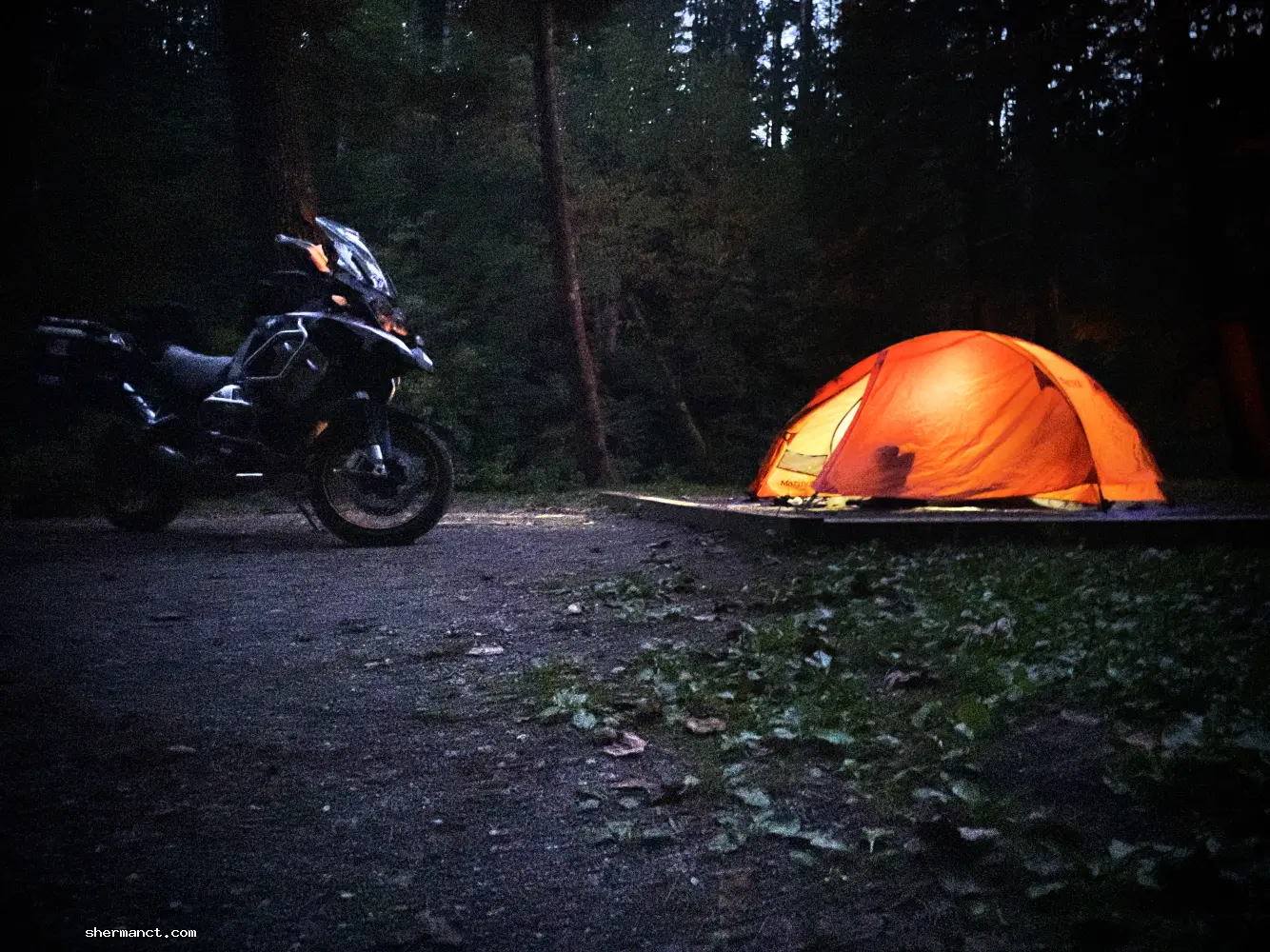
Riding a motorcycle is an incredibly liberating experience. When you strip away the parking-lot mythology and understand the mechanical realities, the activity becomes both safer and more accessible. Enroll in a certified safety course, secure your chin strap tightly, and trust objective science over the legends of the road.
Support Independent Journalism
Investigative journalism and detailed municipal reporting require an immense amount of time and resources. From the initial background research and public records requests to the painstaking data illustration and editing, producing these articles is a full-time commitment. If you value this level of independent reporting, please consider supporting the effort. Whether it's a few bucks or a generous contribution, every donation helps keep this project running.