The Misunderstood Menagerie: Embracing the Creepy Crawlers of Sherman
A primal reflex tells us that if a creature is unsettling or bizarre, it must be a threat to our homes and well-being. In reality, the most visceral inhabitants of our woods are the truest guardians of our ecosystem.

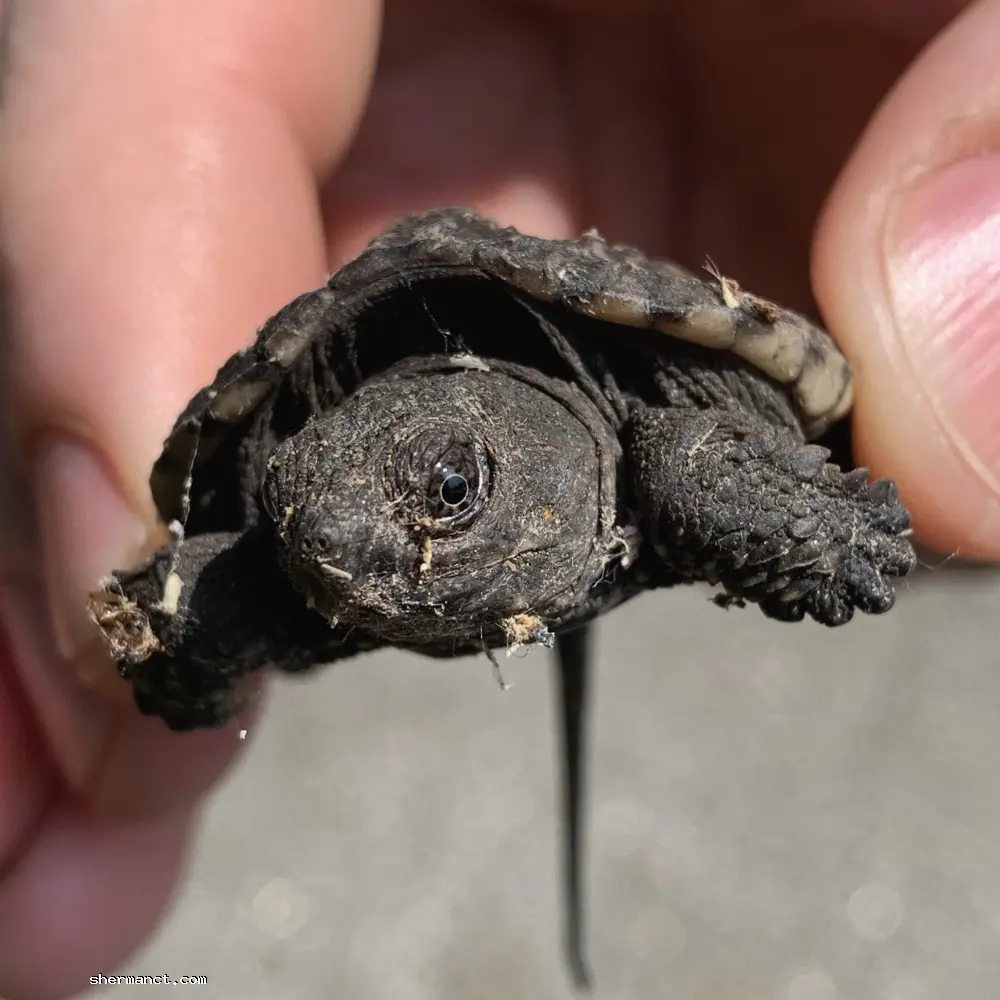
There is a persistent, quiet prejudice that dictates our relationship with the natural world: if a creature is gross, unsettling, or unlikable, it must somehow be detrimental to our environment and our well-being. This instinct is demonstrably false. In truth, the creatures that prompt the most visceral shivers, the creeping, crawling, slithering denizens of the Sherman, Connecticut woods, are actively working to keep our ecosystem alive and balanced.
The Social Media Death Sentence
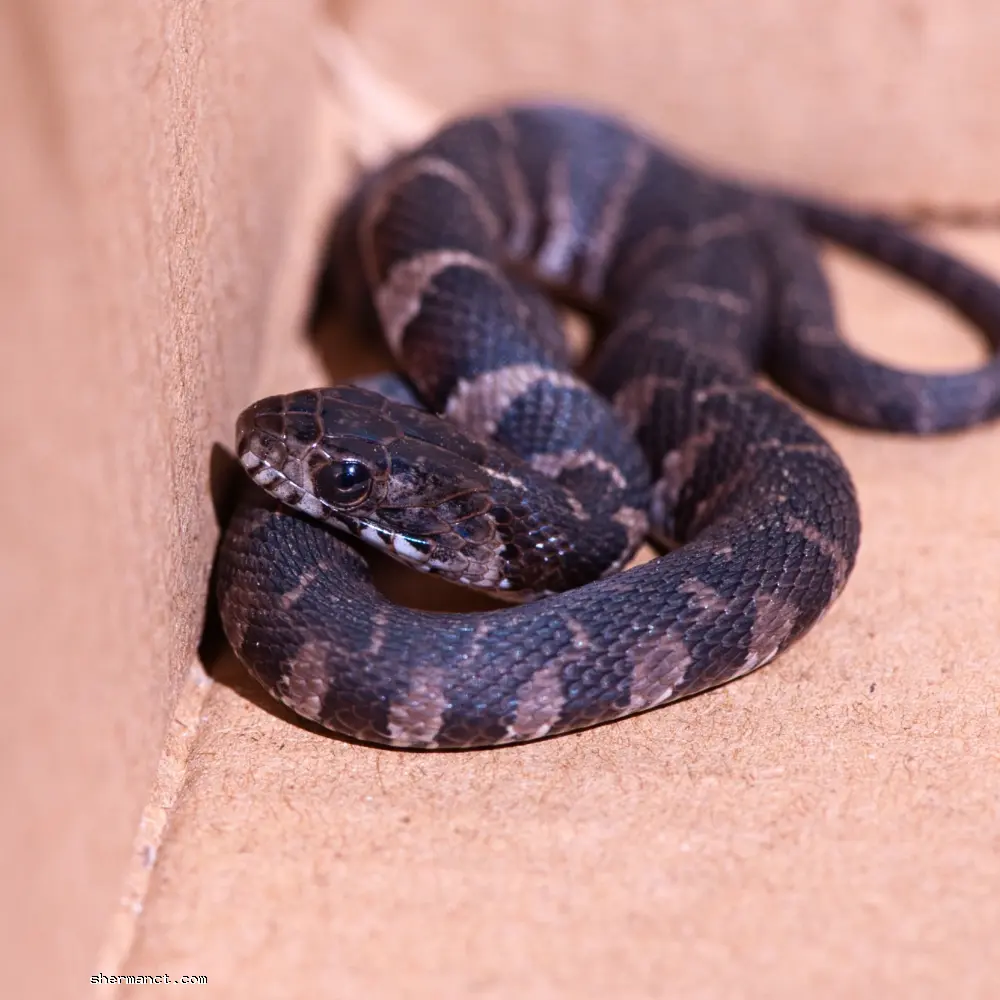
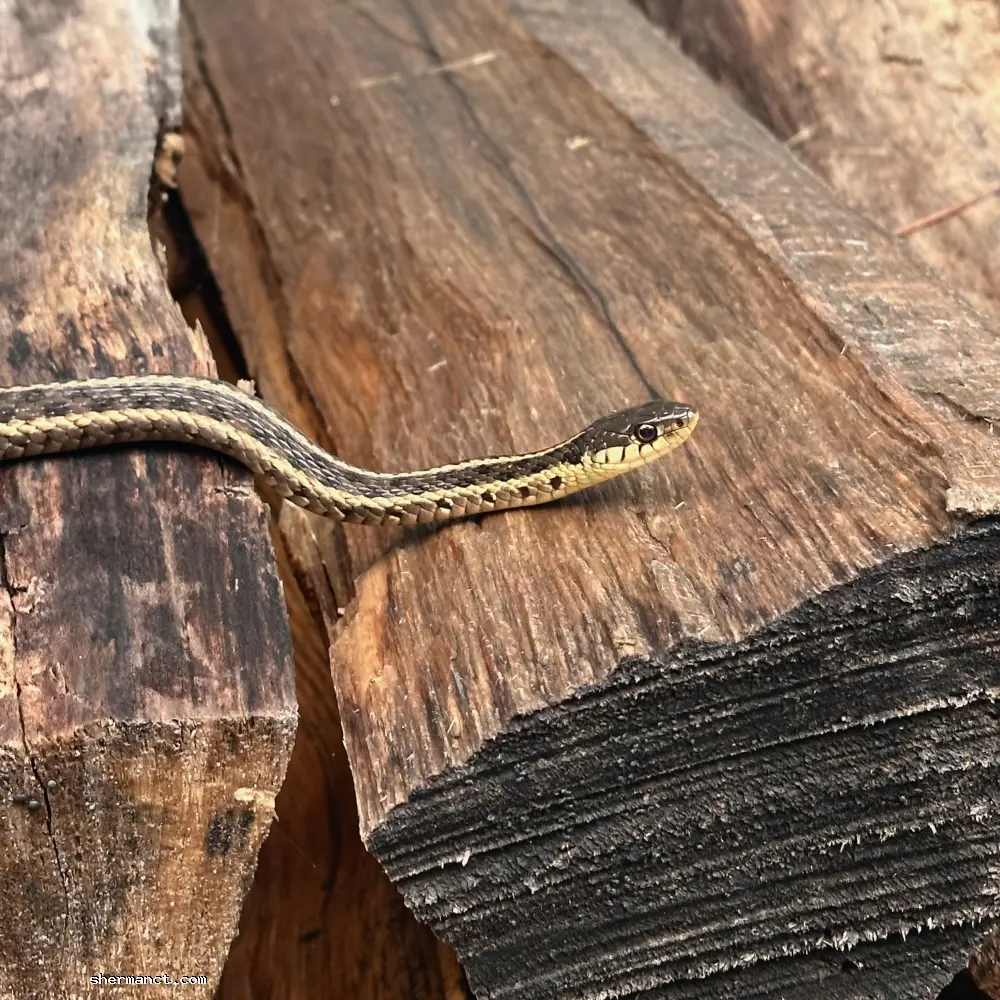
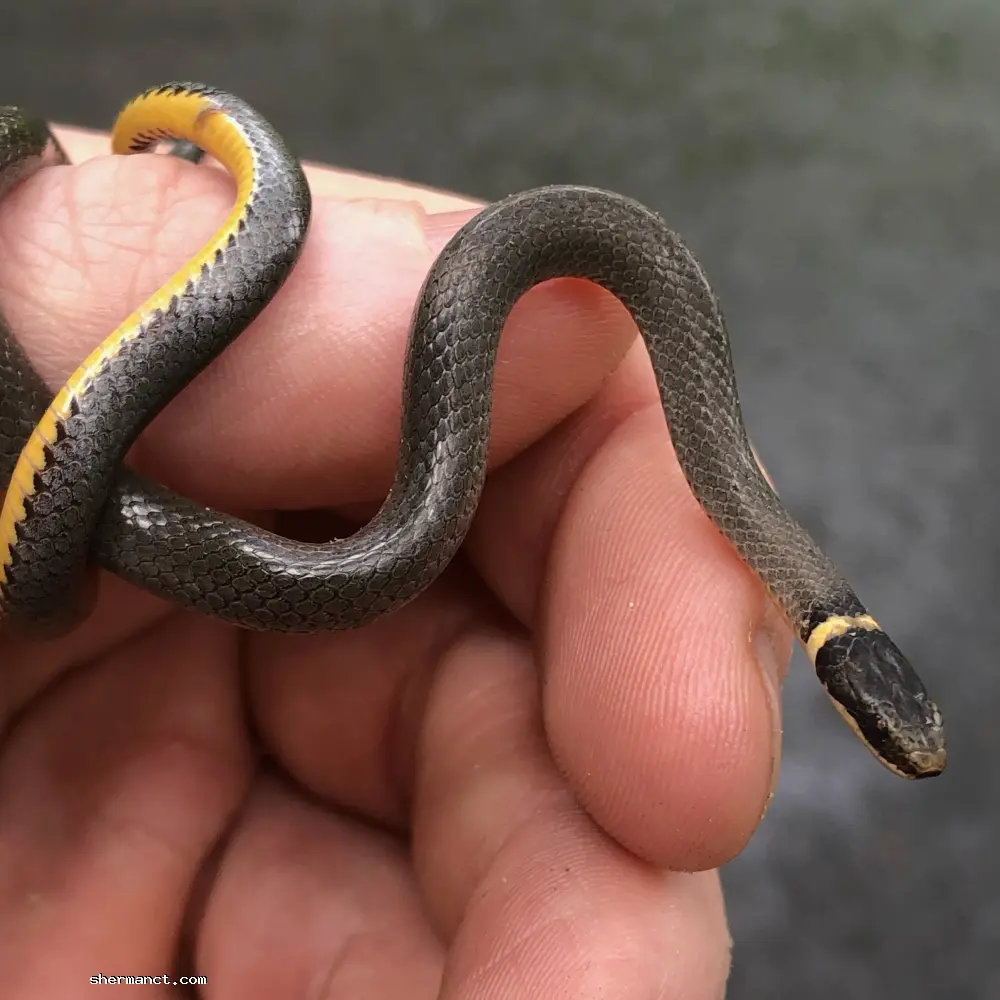
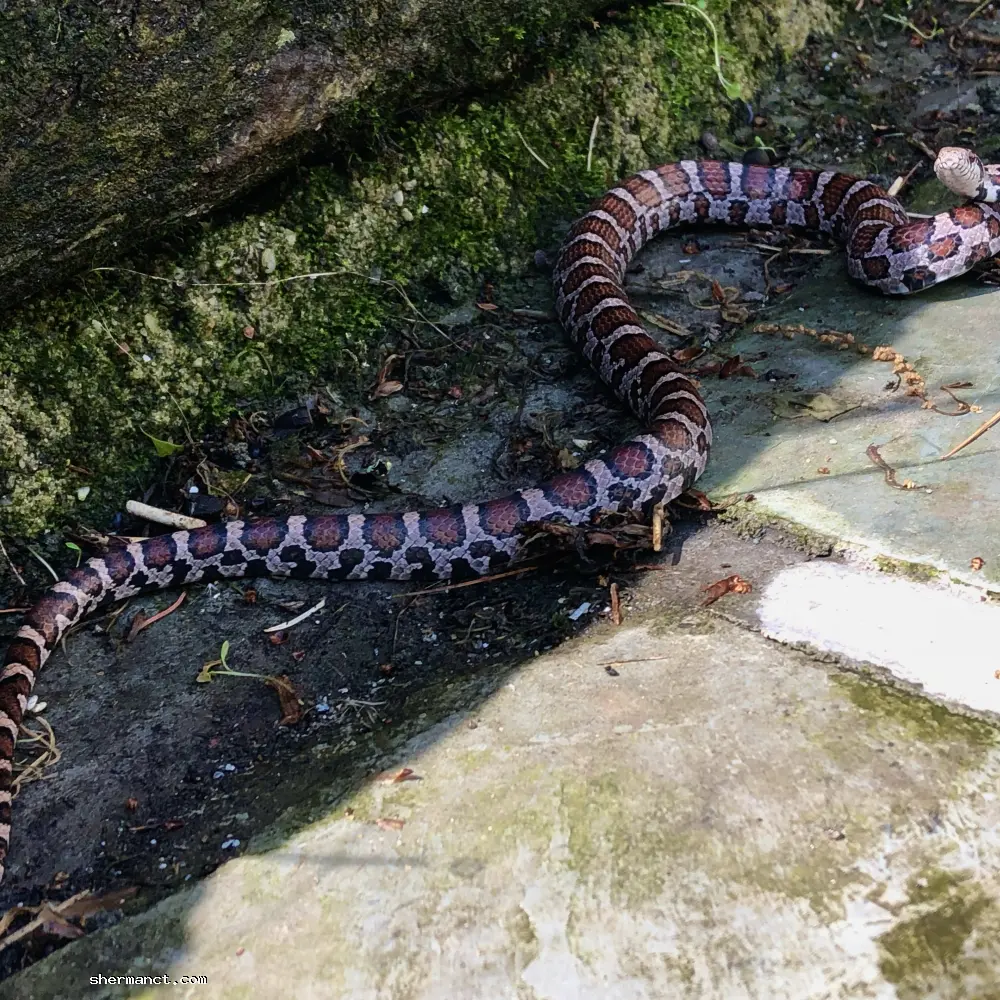
Consider the local community Facebook page. Anytime a resident posts a photo of a snake found basking on a stone wall or gliding across a driveway, the comment section swiftly descends into a predictable, polarized chorus. The first responses almost invariably swing between a frantic "Kill it!" and a desperate "Please don't kill it!" Engage in a conversation with someone who recently encountered a snake on their property, and you are often only seconds away from a casual admission that they dispatched it with a garden shovel.
This misplaced hostility is an ecological tragedy. Snakes are some of the most beneficial and environmentally sensitive creatures sharing our zip code. They act as relentless, silent pest controllers, managing the rodent populations that carry ticks and disease into our backyards.


The Amphibian Alchemy
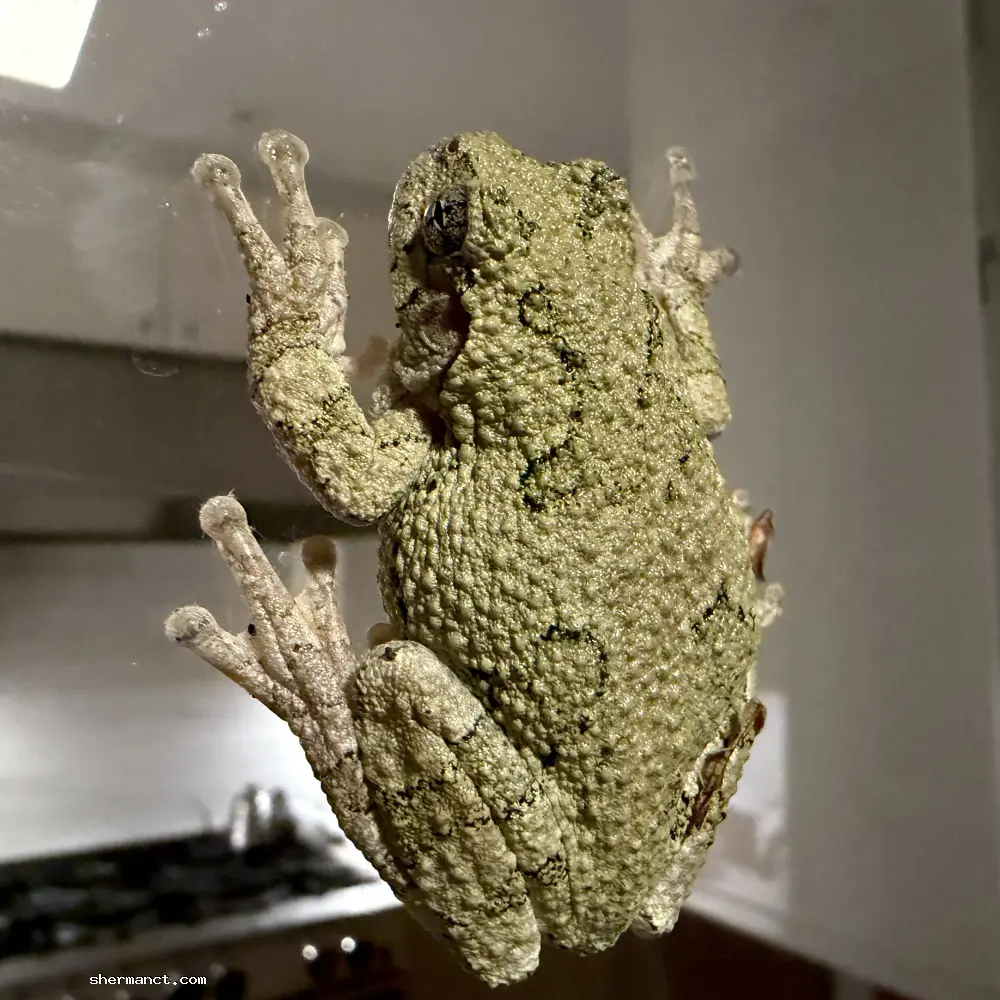
As we move away from the sunbaked stone walls and into the damp understory of our wetlands and forests, we encounter another frequently misunderstood cohort: frogs and toads. Far from being mere garden oddities, these amphibians possess a captivating, almost alien beauty. Their deeply textured skin and unique ways of life read like something out of a prehistoric fairy tale.

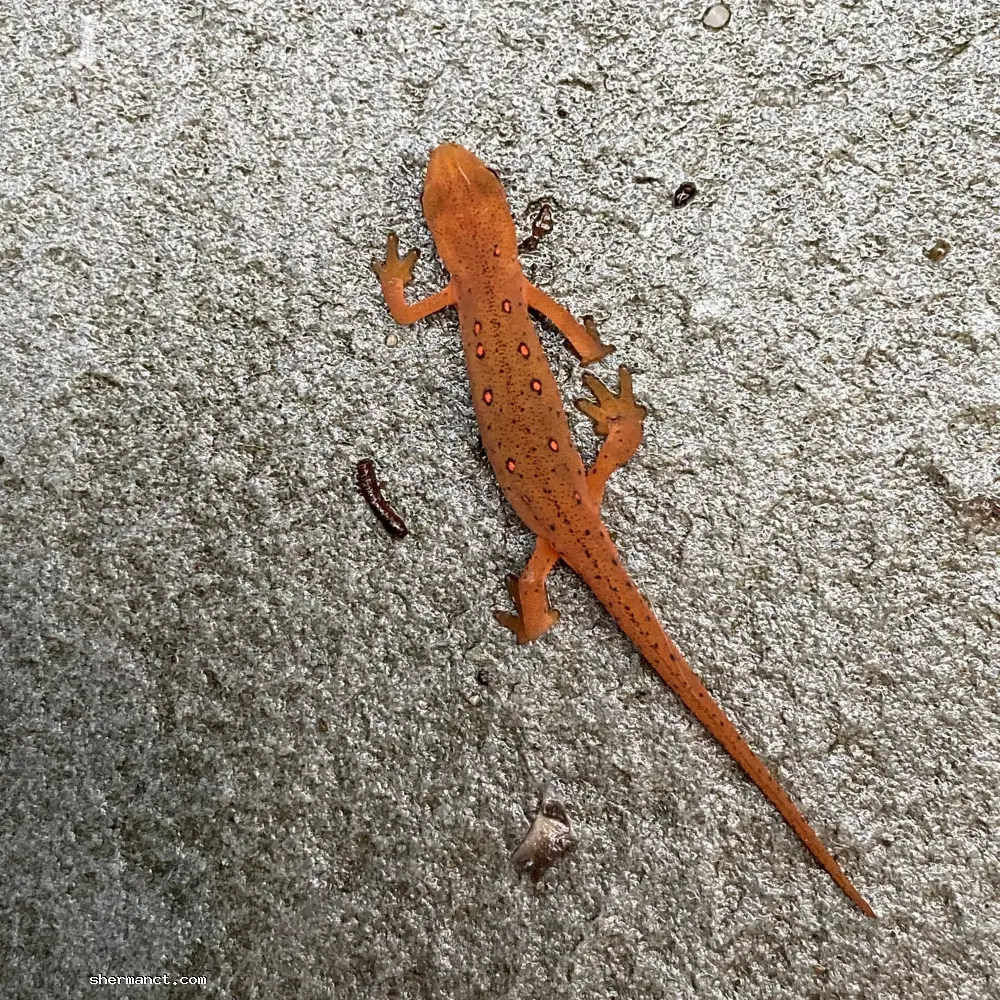
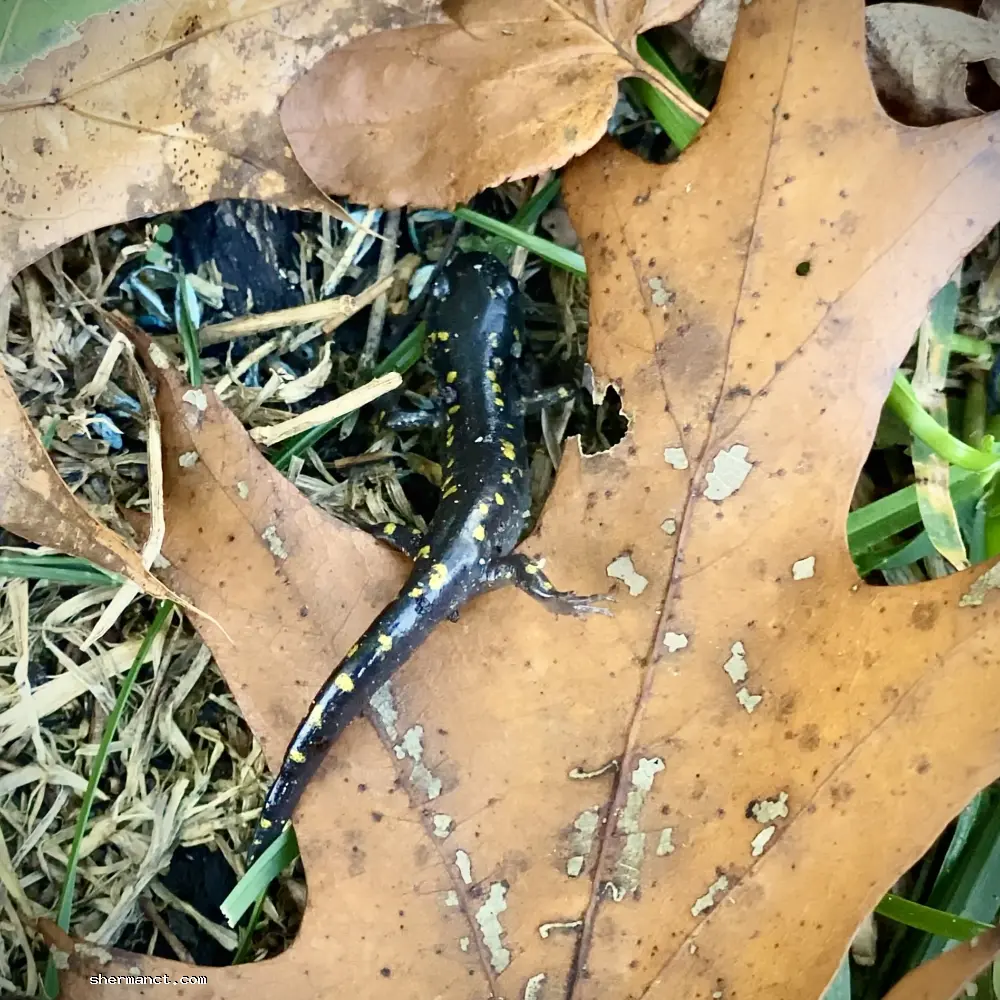
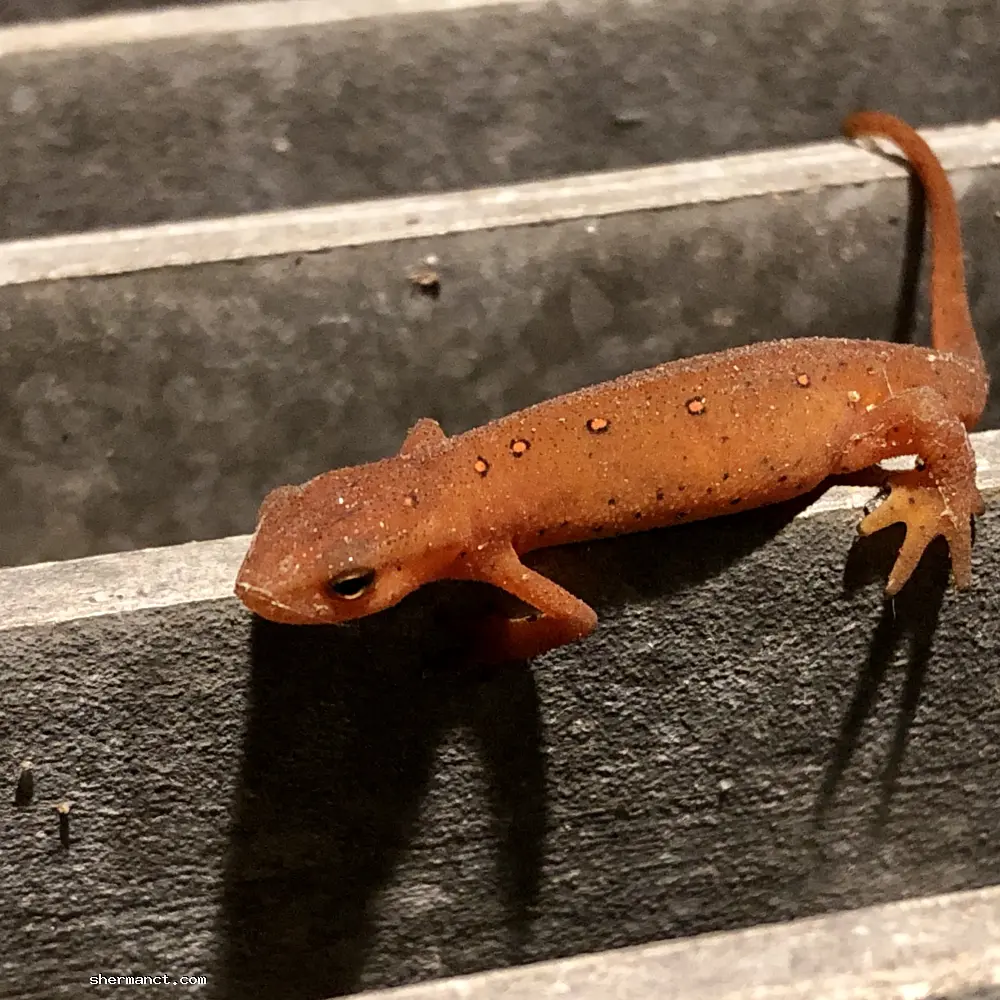
We cannot delve into the damp forests of Sherman without shining a spotlight on salamanders and newts. These elusive creatures are the ultimate ecological barometers. Because their skin is highly permeable, they absorb the exact chemical makeup of their surroundings. This biological trait makes them some of the most environmentally sensitive animals in our ecosystem.
The casual application of herbicides and pesticides in our yards has an immediate, devastating effect on these silent amphibians. When the newts and salamanders vanish from a local stream or woodland bed, it is not a coincidence; it is a glaring warning sign that the soil and water have been compromised by toxic runoff.


The Architects of the Shadows
Finally, we must acknowledge the creatures that elicit perhaps the most intense psychological reaction: the arachnids.


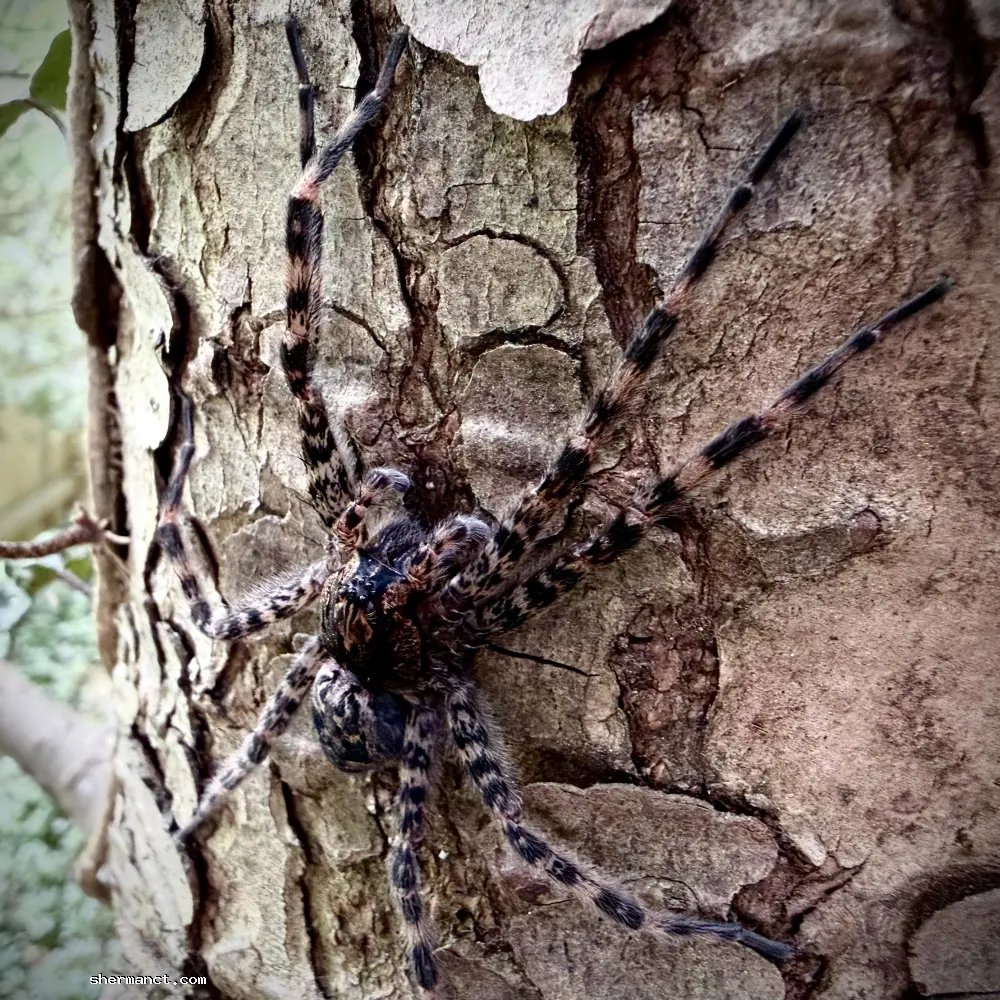
While an unexpected encounter with a massive spider resting on tree bark might send the heart racing, they are the unsung, eight-legged architects of the forest canopy. They intricately weave balance into the woods, consuming vast quantities of the true pests that actively damage local flora and bite human hikers.
Living in Sherman means sharing our borders with the wild. The next time a shadow moves in the garden, or a damp creature crosses the patio, we must actively resist the urge to recoil. These creepy crawlers are not invaders; they are the baseline of our environmental well-being, silently doing the dirty work to keep our corner of Connecticut healthy.
Support Independent Journalism
Investigative journalism and detailed municipal reporting require an immense amount of time and resources. From the initial background research and public records requests to the painstaking data illustration and editing, producing these articles is a full-time commitment. If you value this level of independent reporting, please consider supporting the effort. Whether it's a few bucks or a generous contribution, every donation helps keep this project running.